Slate EV Savings: Longevity & Low Maintenance
Share your love
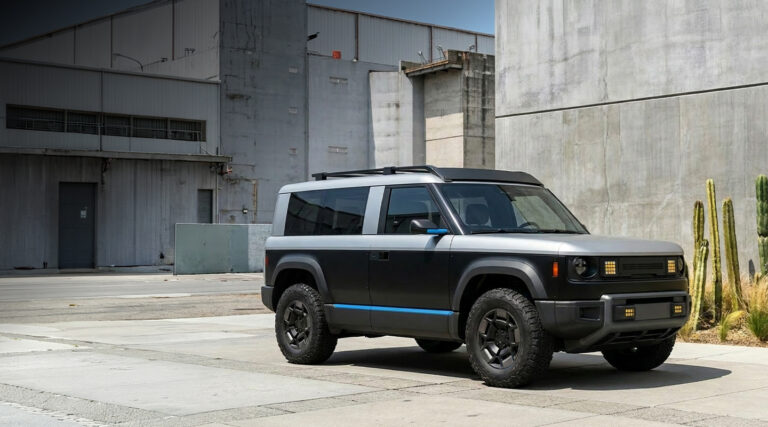
Modern trucks are marvels of engineering, packed with more sensors, screens, and software than some early spacecraft. But with that complexity comes cost. As vehicles become more advanced, they often become more fragile and expensive to repair. Enter the Slate Truck, a fresh take on electric utility built around a timeless concept: keep it simple, make it strong, and design it to last.
Rather than chasing luxury or high-end tech, Slate Auto is betting on long-term durability and low ownership costs. That means fewer electronics, fewer moving parts, and fewer headaches for owners down the road. If you’re a tradesperson, small business owner, or just someone tired of surprise repair bills, this truck might be the smartest investment you make this decade.

Built to Outlast: The Slate Philosophy
At first glance, the Slate Truck might look like a throwback. No curved touchscreens, no voice assistants, no over-the-air software updates. But its simplicity is deceptive. Every design choice is intentional, aimed at eliminating the top causes of modern vehicle failure.
- Unpainted composite body panels resist dents and never rust. No need for paint shops or corrosion treatments.
- Manual crank windows eliminate motor failures and regulator replacements that typically cost hundreds per door.
- Analog HVAC with physical knobs offers reliability over capacitive-touch climate controls.
- A single-motor, rear-wheel-drive setup reduces the complexity and service demands of dual-motor AWD systems.
In other words, Slate isn’t behind the times. It’s ahead of the curve for owners who want a vehicle that works without drama.

A Deep Dive into What Slate Leaves Out (and Why That Matters)
Paint and Body Work
In most trucks, even a minor fender bender can cost thousands. Repainting a door panel, fixing clear coat damage, or blending colors across metal panels adds labor hours fast. Slate’s durable gray composite panels are immune to these concerns. They can take dings and scrapes without compromising form or function.
Electrical Systems and Electronics
The modern vehicle has upwards of 50 electronic control units. From infotainment modules to door actuators, any one of them can fail and cost $500 to $2,500 to repair. Slate uses a minimalist electrical architecture that includes only what’s necessary. No massive displays, no electronic climate systems, and no hidden processors buried behind dashboards. If it’s not essential, it’s not there.
Windows and Door Mechanisms
One of the most common repair complaints for truck owners? Power window motors. A failed regulator is annoying and expensive. Multiply that across all four doors and you’ve got a recurring maintenance headache. Slate’s crank windows eliminate that risk entirely. They’re cheap to replace, easy to fix, and unlikely to break in the first place.
Battery Management and Drivetrain
Most electric trucks, especially high-end models, use complex battery management systems (BMS), dual motors, and electronic locking differentials. While these features add performance, they also introduce more points of failure. Slate’s single-motor rear-drive system is not only simpler—it’s easier to service and puts less strain on both electronics and tires.

Real-World Cost Comparisons: Slate vs The Rest
Slate isn’t just about simplicity. It’s about saving owners money year after year. Let’s break down the typical 10-year ownership costs.
| Cost Category | ICE Truck | Typical EV | Rivian R1T | Slate Truck |
|---|---|---|---|---|
| Oil/Fluids/Filters | $3,000 | $0 | $0 | $0 |
| Transmission Repairs | $2,500 | N/A | N/A | N/A |
| Paint and Body Work | $1,200 | $800 | $800 | $0 |
| Window System Repairs | $2,000 | $2,000 | $2,000 | $0 |
| Electronics/Modules | $3,000 | $1,500 | $1,800 | ~$200 |
| Brake Service | $1,200 | $400 | $400 | $400 |
| Annual Maintenance Avg. | $1,350/year | $950/year | $600/year | $500/year |
| 10-Year Ownership Cost | ~$18,500 | ~$13,000 | ~$10,800 | ~$7,000 |
These estimates illustrate the core value proposition of Slate: reduce complexity, reduce cost. For commercial users, this isn’t just about saving money—it’s about improving uptime and reducing stress.

Who Benefits Most from Slate EV Savings?
If you’re a plumber with a fleet of three trucks, every repair off the road is lost revenue. If you’re a rancher in the high desert, you don’t want to drive 80 miles to the nearest dealer for a software recall. If you’re a state agency managing vehicles for field technicians, every hour spent in the shop affects productivity. These are the customers Slate is built for.
No frills. No fluff. Just long-term reliability.
- Fewer shop visits means more days in the field.
- Simpler systems mean lower parts cost and less skilled labor needed for repairs.
- No proprietary electronics means more flexibility for local mechanics.
- Standardized parts mean faster replacement timelines.

But What About High-Voltage Repairs?
Electric vehicle critics often cite battery and high-voltage system repairs as costly liabilities—and they’re not wrong. Battery replacement on many EVs can cost upwards of $10,000. Slate doesn’t pretend to solve this problem entirely, but it mitigates the risk.
With a simplified battery management system, a single motor, and fewer load-sharing electronics, Slate reduces the wear and tear on its most expensive component. Combined with accessible component placement and a modular frame, even rare repairs can be completed faster and cheaper.

The Long Game: Why Longevity is Slate’s Real Innovation
A truck that lasts 15–20 years with minimal investment is a major asset. Most ICE trucks start becoming money pits after year 8. EVs, though lower in maintenance, often become obsolete because of software lockouts or infotainment degradation.
Slate dodges both traps. There’s no software to sunset, no app integrations to fail, and no expensive user interfaces to age out. It’s the first EV built to function 20 years from now with a wrench and some common sense.
Slate Is the Smart Long-Term Buy
The Slate Truck is not just affordable up front. It’s engineered for owners who think about total cost of ownership, downtime, and repair predictability. If you want a vehicle that will stay functional, affordable, and easy to service long after your payment plan ends, Slate might be the only EV built with you in mind.
Ready to take the next step toward smarter vehicle ownership?
Visit SlateRides.com to explore more in-depth articles like our Slate Fleet Review and Slate Customization Options, plus updates on the upcoming 2027 Slate Truck release.
While you’re there, make sure to subscribe to SlateRides to get exclusive early-access insights, comparison breakdowns, and maintenance-saving tips delivered straight to your inbox.
Additional Resources
*All costs in this article are estimates based on current industry data and specifications made public by Slate Auto or reputable sources. Actual expenses may vary based on driving habits, geography, and final production specifications. For the most accurate and up-to-date information, visit Slate.Auto.