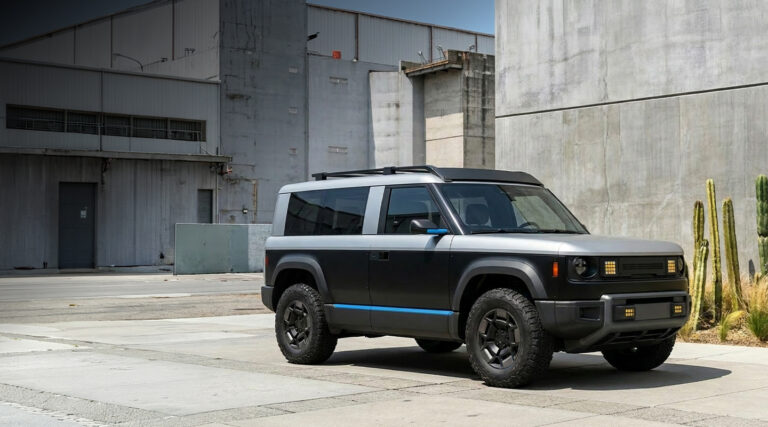
Why the Slate Truck Is a Smart, Future-Ready Choice for Fleet Buyers
Across the United States, industries are facing pressure to transition their fleet vehicles from internal combustion engines to electric alternatives. This shift is driven by rising fuel costs, long-term maintenance concerns, and state and federal mandates that aim to reduce emissions.
Share your love
Why the Slate Truck May Be a Practical and Future-Ready Fleet Vehicle
Addressing a Growing Need for Electric Fleets
Across the United States, industries are facing pressure to transition their fleet vehicles from internal combustion engines to electric alternatives. This shift is driven by rising fuel costs, long-term maintenance concerns, and state and federal mandates that aim to reduce emissions. The Slate truck is one of the newest electric vehicle platforms positioned to meet those needs. It offers features that align with the growing demands of utility, service, construction, and landscaping companies.

A Focused, Simplified Interior for Drivers
Many electric vehicles today prioritize infotainment features and consumer comforts. Slate appears to take a different approach. According to publicly available concept images and design briefs, the truck includes a minimal interior environment that supports basic driver needs without excessive digital distractions. This can be a favorable trait in fleet environments, where safety and attention to task are critical.
Designed with Modularity in Mind
Slate has highlighted the modularity of its platform. While full specifications have yet to be confirmed, promotional materials suggest that the Slate truck is being built to allow for multiple upfit configurations. This could be important for companies looking to adapt a single platform to multiple roles within a business, such as service, delivery, or construction.

Brand Visibility with Flat Panel Design
The Slate truck’s visual design includes flat exterior panels, which can be a benefit for companies applying custom graphics, vinyl wraps, or logos. Flat panels typically reduce labor time and cost during wrap installation. They may also simplify rebranding or fleet-wide updates. This can lead to more flexible marketing strategies for companies that use their vehicles as mobile billboards.
Potential Long-Term Cost Savings
Electric vehicles generally offer lower lifetime operating costs due to fewer moving parts and lower fuel expenses. Though Slate has not yet released verified total cost of ownership data, it is likely that businesses will benefit from:
- Reduced maintenance compared to internal combustion trucks
- Elimination of fuel expenses
- Possible access to EV tax credits and incentives
Meeting Policy Requirements and Mandates
Many U.S. states, including California and New York, are introducing policies requiring electrification of state and commercial fleets. The California Air Resources Board’s Advanced Clean Fleets regulation, for example, outlines a phased plan that will eventually require all medium- and heavy-duty vehicles sold in the state to be zero-emission. If the Slate truck qualifies under these regulatory frameworks, it may offer compliance opportunities for companies needing to transition.
Supporting Fleet Management
Slate has signaled plans to support API integrations for fleet tracking and management tools, although implementation details have not been published. For companies managing large numbers of units across regions, these tools can help monitor vehicle location, charging status, and driver behavior. The degree to which Slate can support large-scale telematics integration will be a key consideration for enterprise adoption.
Scalable for Regional and National Use
If Slate delivers on its goal of national service coverage and multiple configurations, it could serve the needs of both small local businesses and larger regional or national fleets. Small service companies may find value in the flexibility and branding options, while national buyers will look for logistics and parts support.
Summary
The Slate truck is entering a competitive electric fleet market currently served by companies such as Ford, Rivian, and GM. While the vehicle is still in pre-production stages and full data is not yet available, Slate’s stated goals around modularity, cost efficiency, and ease of use are aligned with what fleet buyers often prioritize.
Companies seeking a future-forward fleet vehicle that supports customization, graphics application, and long-term cost management may find Slate worth watching. Its real-world success will depend on fulfillment of its design promises, availability, and overall performance across industries.
Fleet buyers are encouraged to follow Slate’s development, seek third-party reviews as they emerge, and consider pilot deployments when the truck becomes commercially available.
This article will be updated as more verified information becomes available regarding production models and performance benchmarks for the Slate fleet platform.
Click the links below to learn more about why the Slate Truck is an excellent option for fleet buyers: